
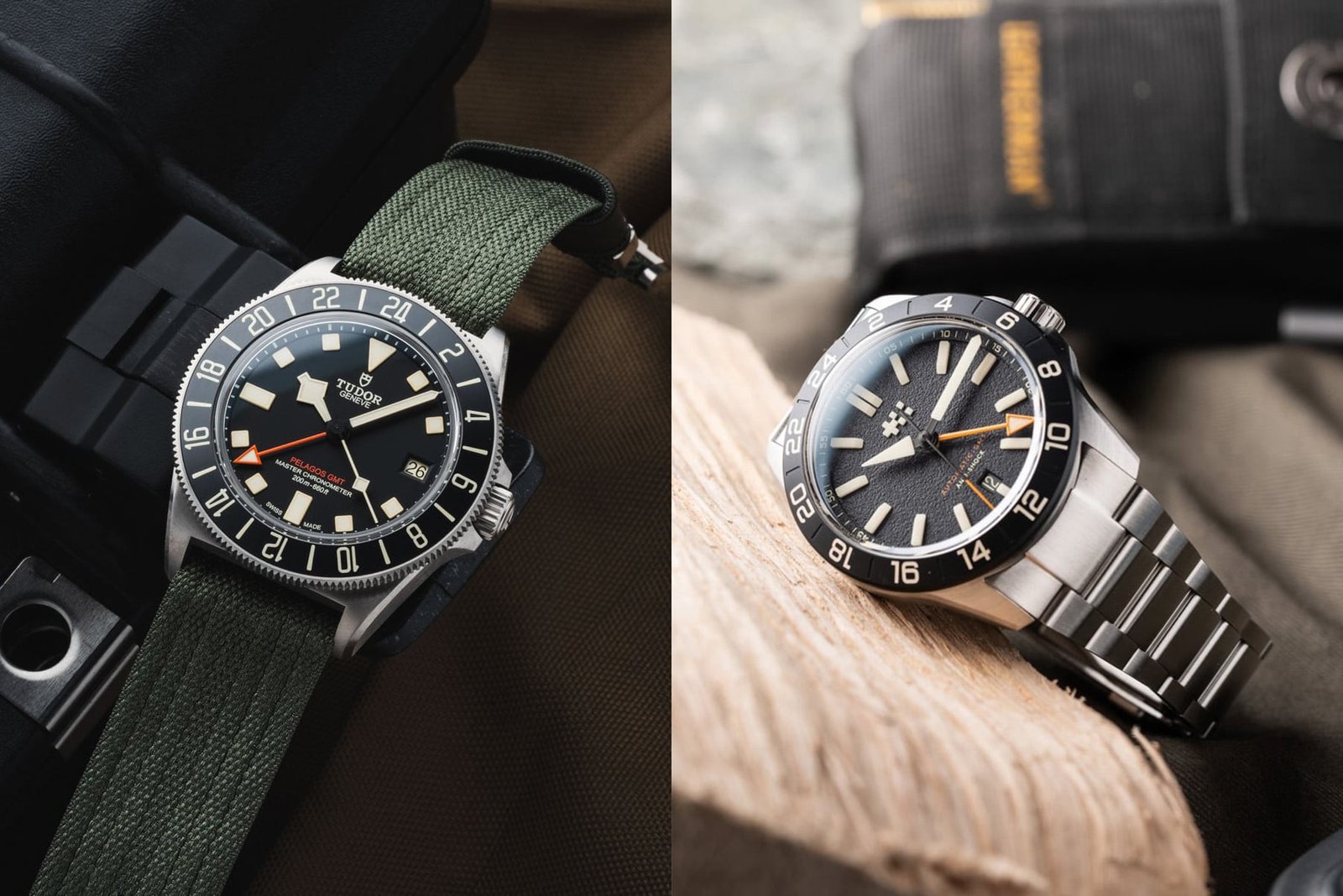
It’s that time of the week again — time for another Sunday Morning Showdown! This time, Mike and Jorg face off in a battle of rugged GMTs. Jorg’s pick is the recently introduced Christopher Ward C63 Sealander Extreme GMT, which takes on Mike’s Tudor Pelagos FXD GMT. Both are rugged GMT pieces with dive-watch roots. It’s time to find out which of these two will come out on top!
This week’s contenders combine the functionality of a travel watch with the ruggedness and looks of a military watch. The Christopher Ward C63 Sealander Extreme GMT is the younger of the two, having debuted last October. The watch is available in two dial variations and costs €1,895. That makes it significantly more affordable than the Tudor Pelagos FXD GMT “Zulu Time,” which came out almost a year earlier. The watch was created for the Marine Nationale’s Aéronautique Navale pilots and costs €4,950. As you will understand, that makes this week’s showdown not simply a battle of similarly themed watches. It’s also very much a question of what you are willing to spend. Let’s find out which of the two watches will prevail.
Last week, on Sunday Morning Showdown…
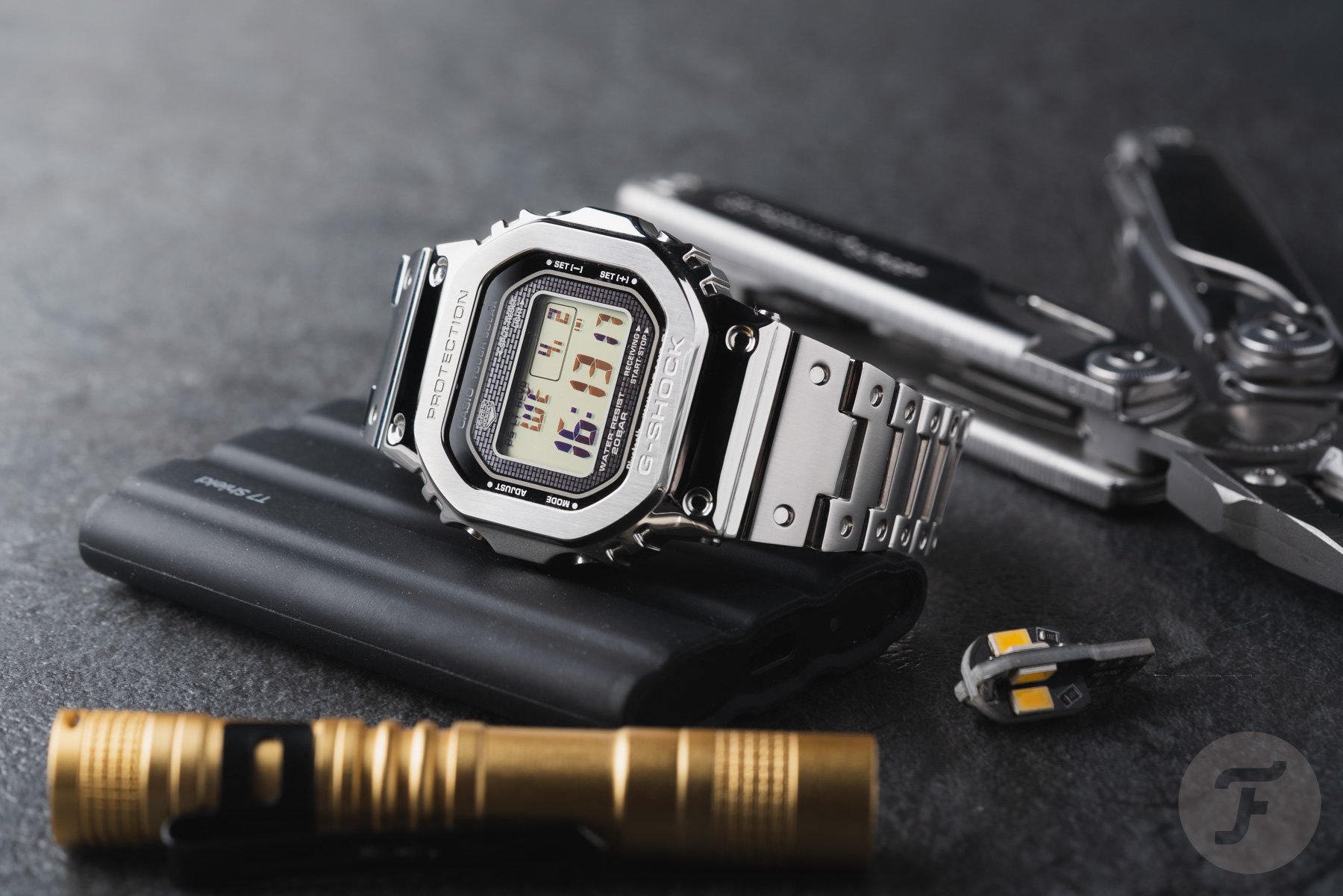
Before we get into this week’s battle, though, let’s take a look at the results from last time. Thomas’s G-Shock Square in steel took the win against Daan’s Seiko Rotocall re-editions. The G-Shock ended up taking 56% of the votes versus 44% for the Seiko Rotocall. Reading through the comments confirmed that the G-Shock Square holds a special place in our readers’ hearts. Funnily enough, though, quite a few of you referred to the resin version of the G-Shock Square as your favorite. Since it wasn’t part of last week’s battle, its stainless steel brother took the crown. With that settled, we’ll pass it over to Mike and Jorg.
Jorg: Christoper Ward C63 Sealander Extreme GMT
Amusingly, I did hands-on reviews of both of today’s contenders. That makes it harder for me because I like both of them for different reasons. The Tudor is a great twist on the Pelagos divers. As a fan of GMT watches in general, I was happy to see this release. I spent quite a bit of time with the watch before I wrote my lengthy review. As I explained in the article, I like the watch, but I was ready to fall in love with it, and I just didn’t. For now, the regular Pelagos divers are better for me, as is the Black Bay Pro. That also makes it easier to pick the Christopher Ward for today’s showdown. The C63 Sealander Extreme GMT is one of my favorites in the brand’s current lineup.
As some of you might know, I own the first Christopher Ward C65 Dune GMT that came out in early 2023. I adore that watch, and I am even wearing it while writing this. The brand has gone on to release a staggering number of solid releases. While I do not like all of them, they show time and again that Christopher Ward is the go-to choice for those who prioritize great value for money.
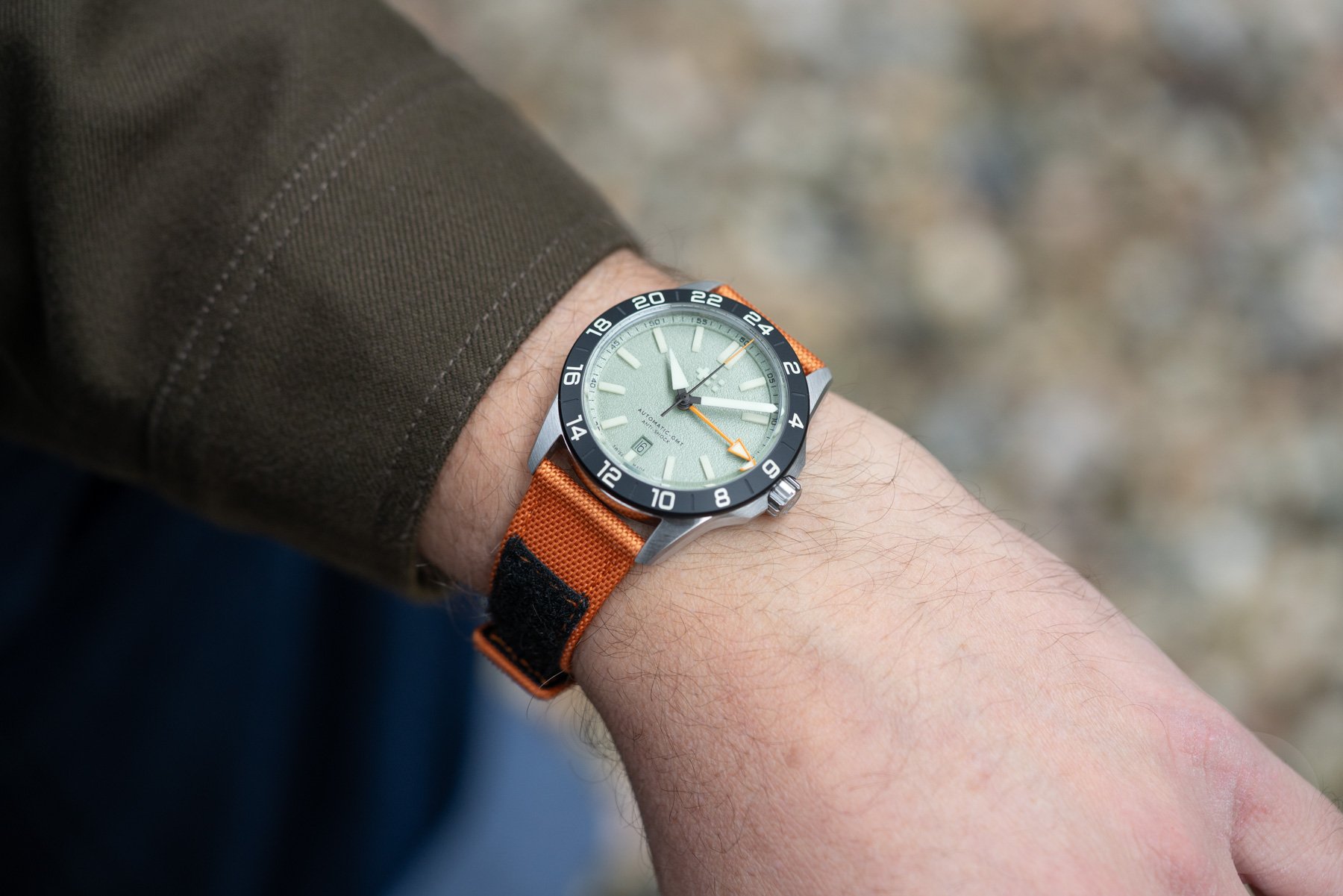
While that is indeed an important factor for me, I also have to love a watch’s design. That’s where it sometimes gets a little harder because I do not like all of Christopher Ward’s watches in that regard. But when the C63 Sealander Extreme GMT debuted, this watch caught my eye and piqued my curiosity.
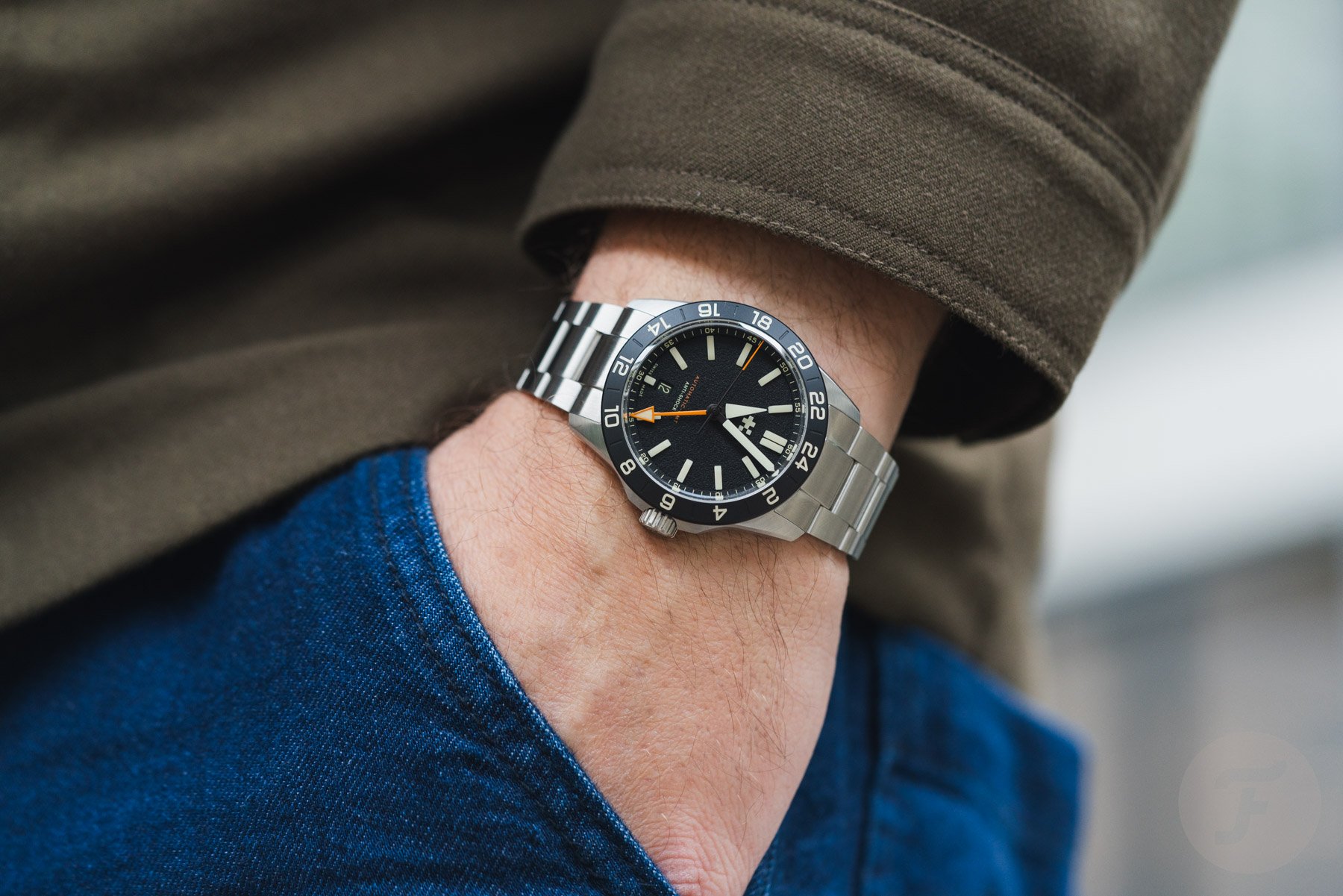
The black-dial version is the winner for me
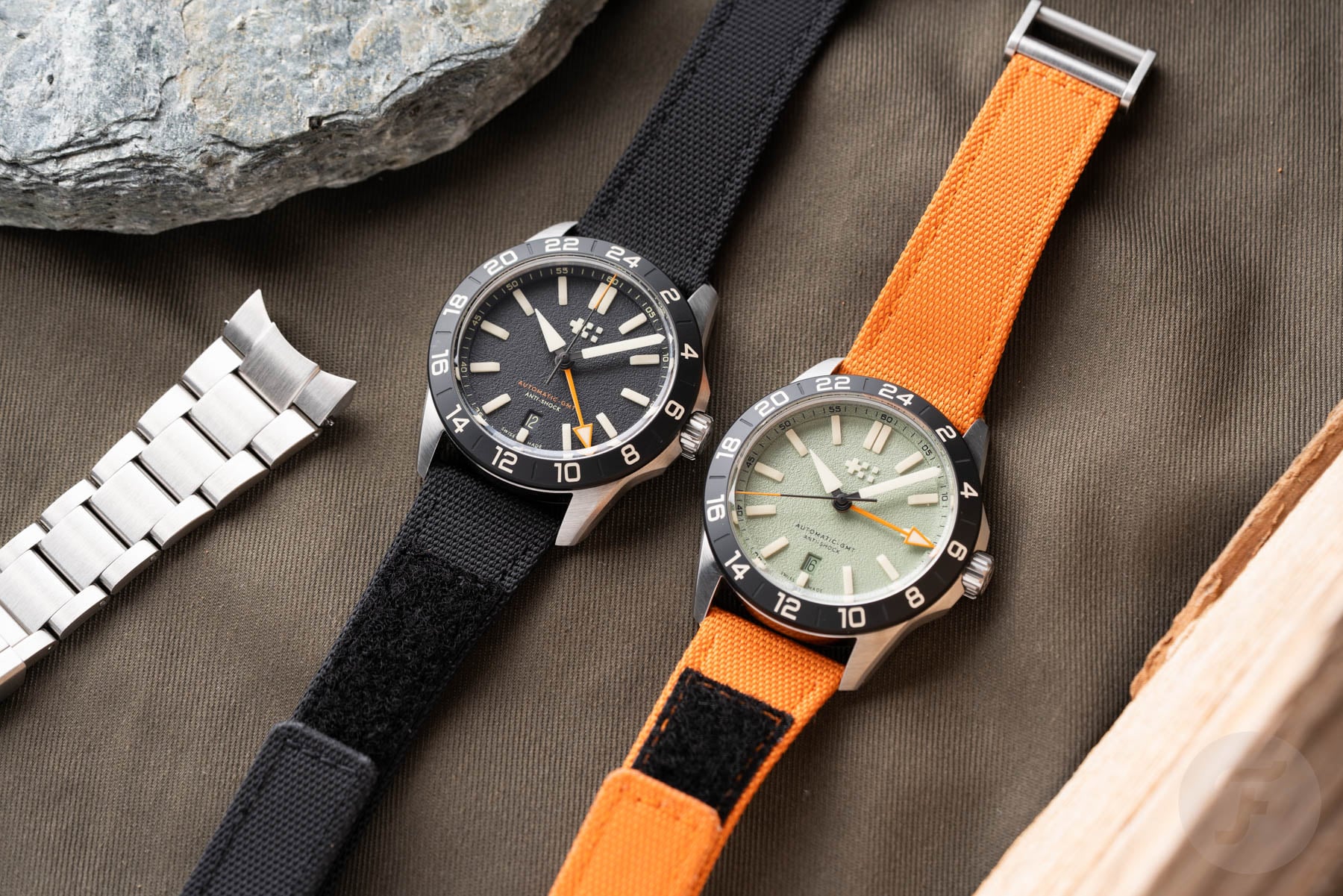
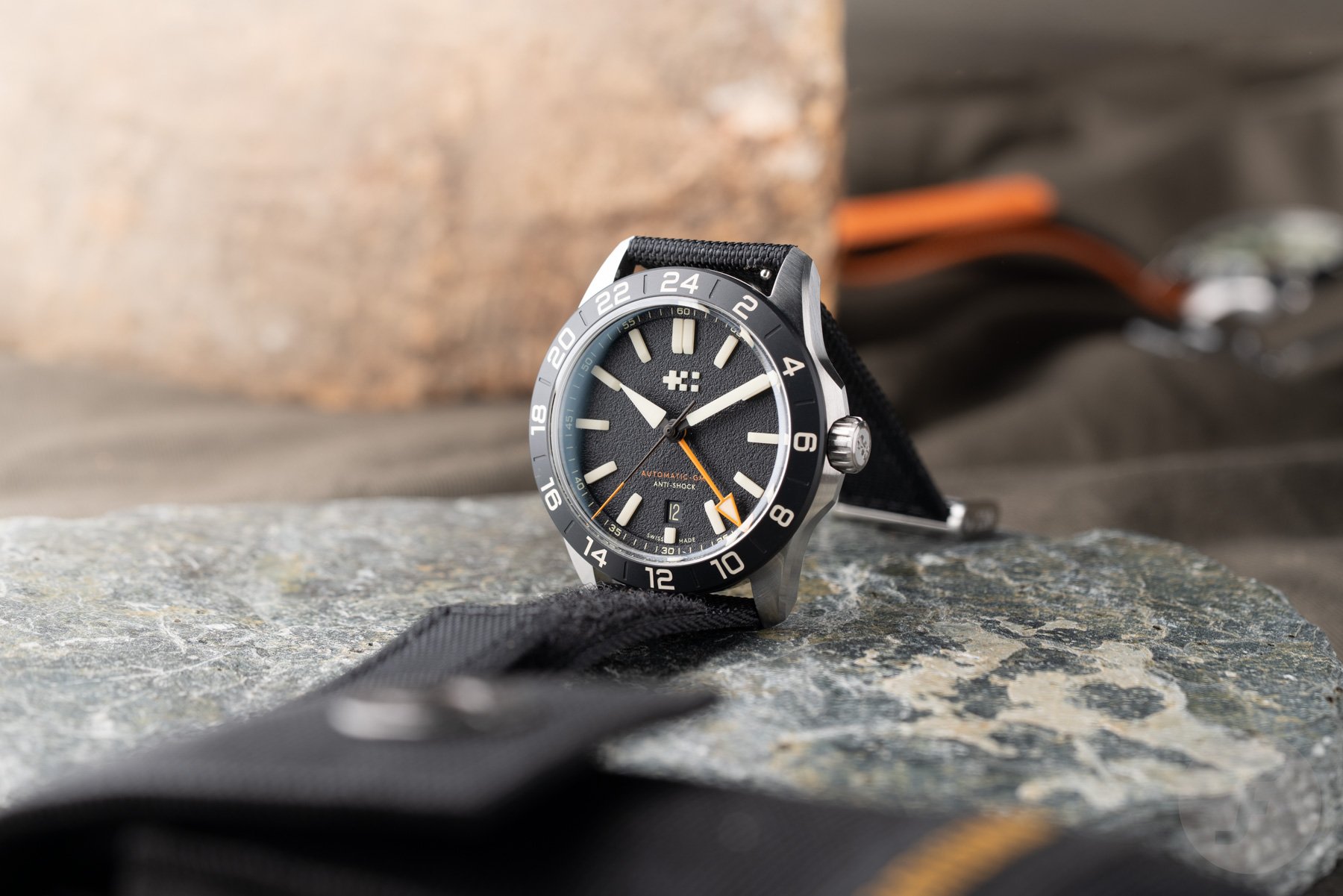
In my hands-on review of the C63 Sealander Extreme GMT, I explained that, of the two available versions, the black-dial version is the one to go for. The green-dial model looks different in real life than in the PR pictures. The shade of green is too light and lacks depth and sophistication. So I will focus on the black-dial version for this Sunday Morning Showdown, since it is a better opponent for the Tudor Pelagos FXD GMT. The C63 Sealander Extreme GMT has a 41mm case with a 12mm profile and a 48mm lug-to-lug. The dimensions make it a perfectly proportioned watch that sits so nicely on the wrist.
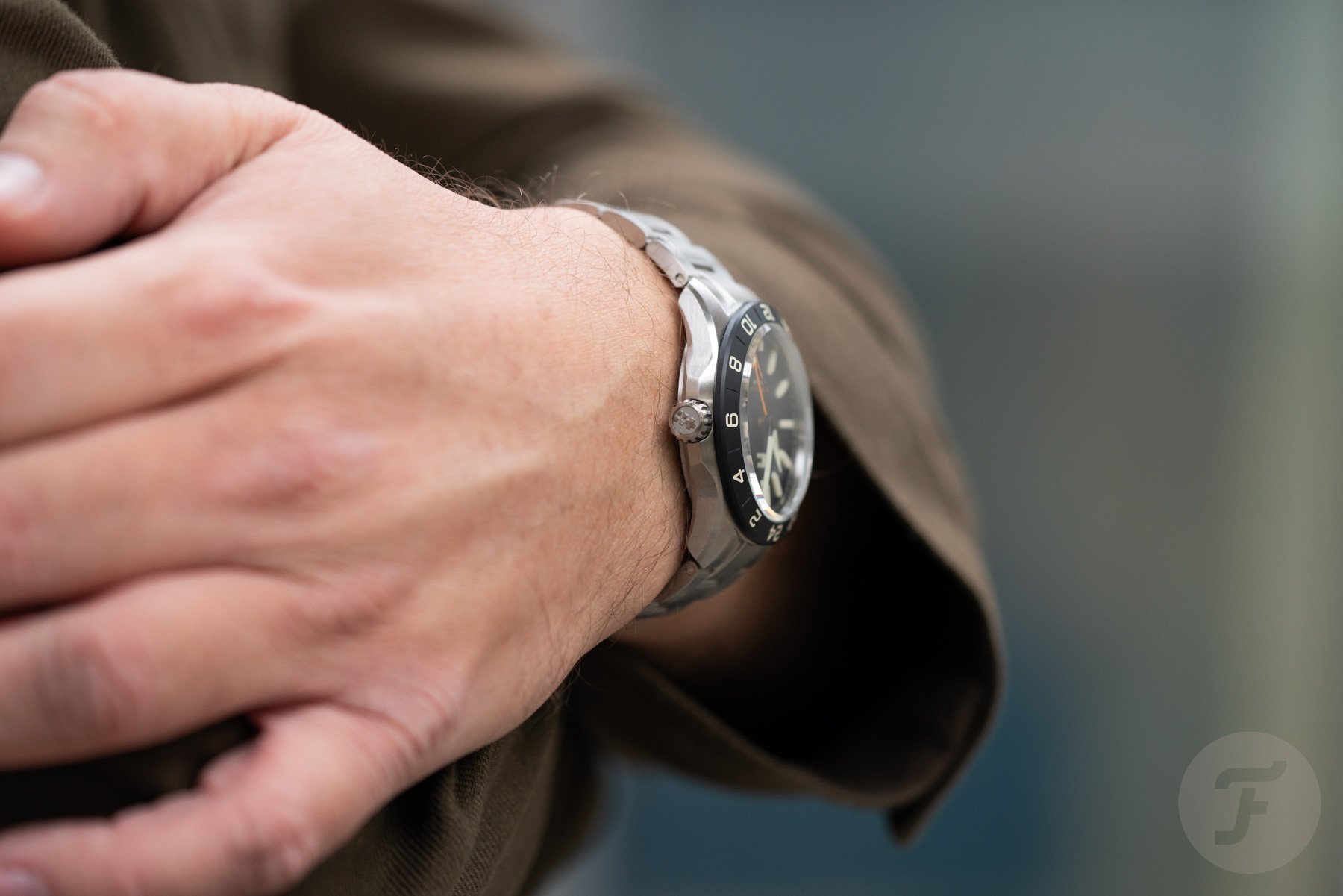
That’s also where the first advantage over the Tudor comes in. While the Pelagos FXD GMT’s fixed strap bars add character, they also limit the watch’s practicality. On top of that, it’s also bigger, with a 42mm diameter and a 12.7mm profile. The Christopher Ward is the more versatile watch because it’s available on either a bright orange or black Cordura V-Strap for any missions that you have planned. But if you want to change up the look and add the comfort of a stainless steel bracelet, you can do that too.
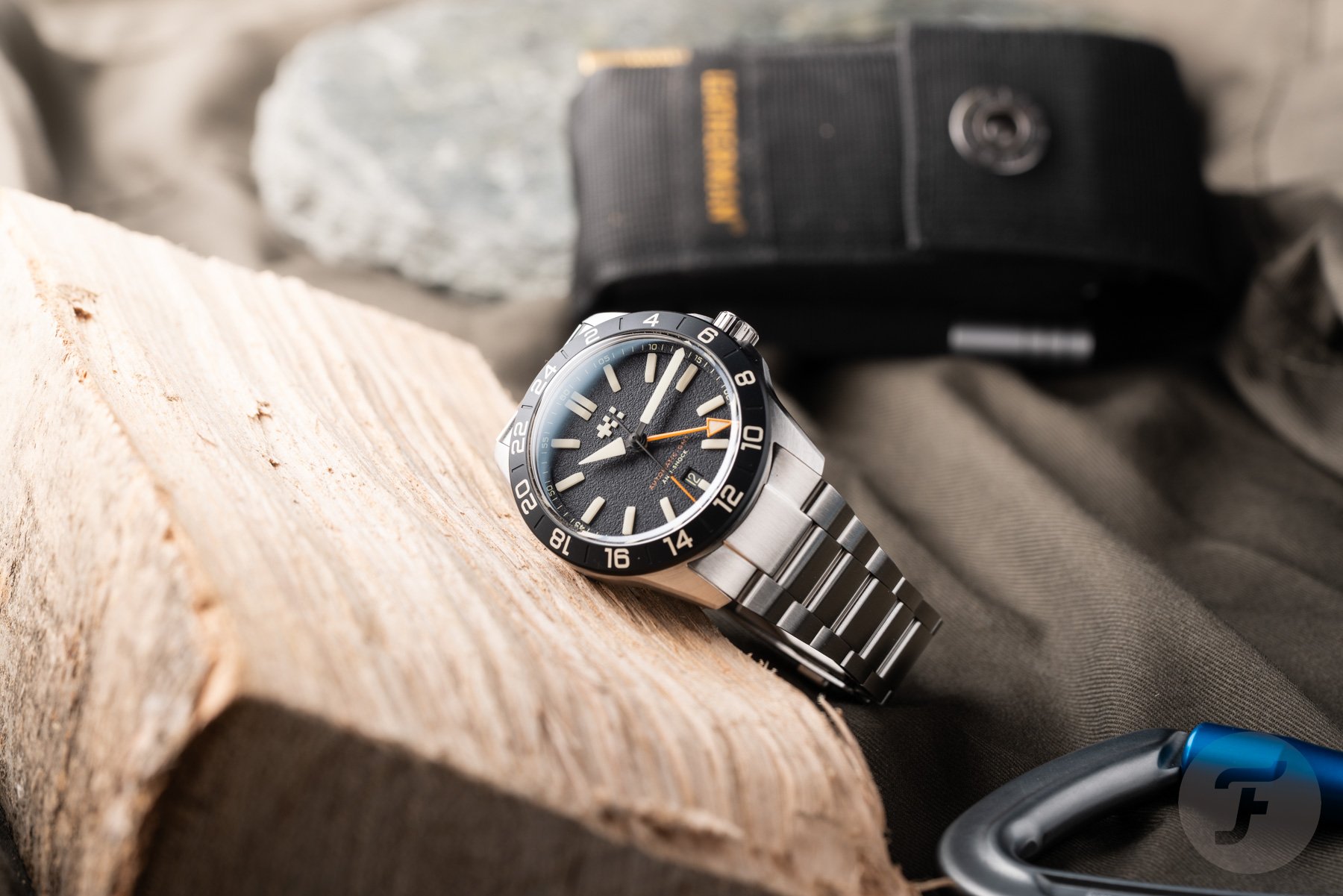
A versatile presence
As I explained in my review, switching it up also drastically changes the presence. On the Velcro strap, the C63 Sealander Extreme GMT clearly matches the look of Mike’s Tudor. But once on the bracelet, the watch looks a lot more like a Rolex Explorer II with a black ceramic bezel. I actually like that versatility a lot. You can wear the watch however you like, depending on your activities or what you visually prefer.
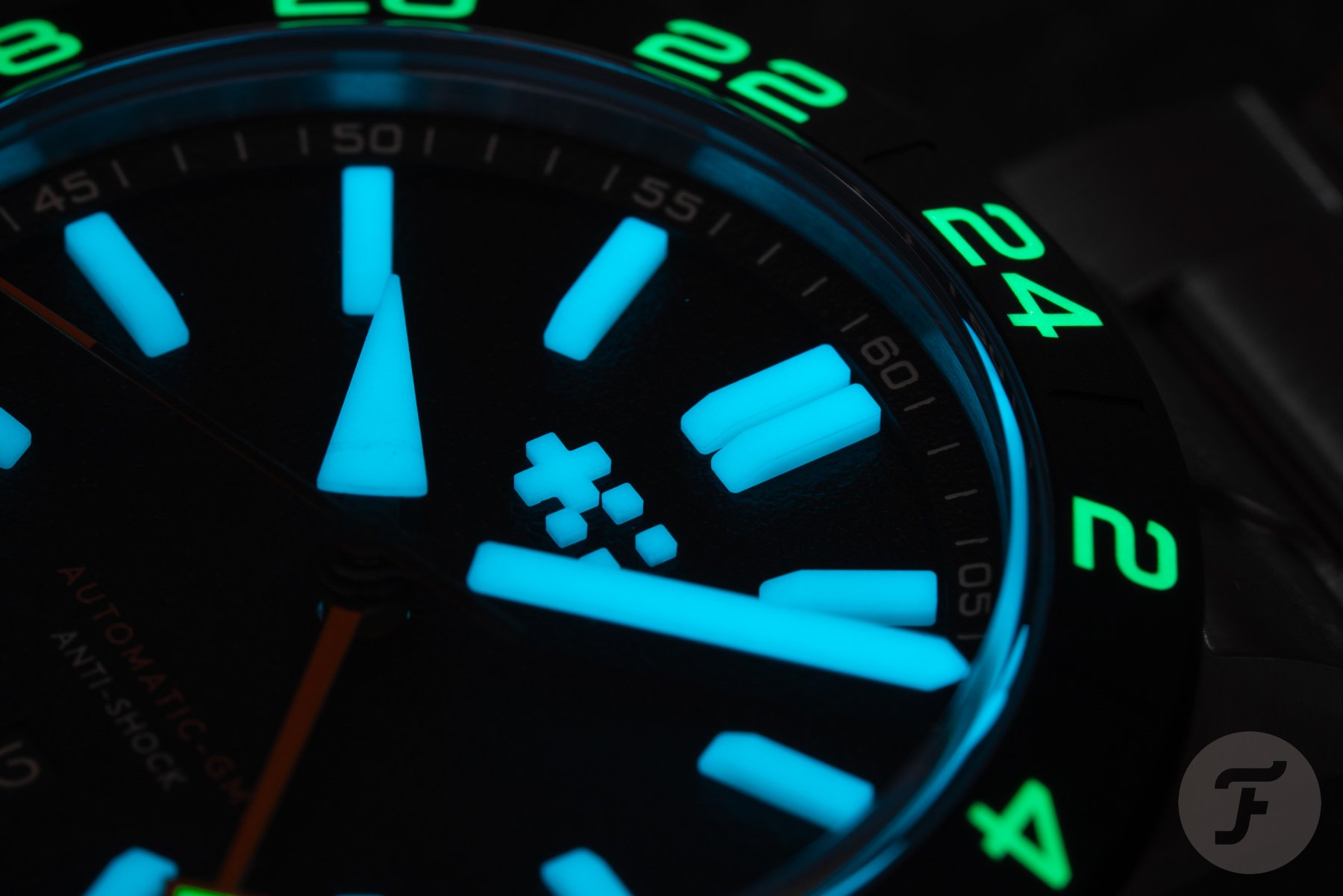
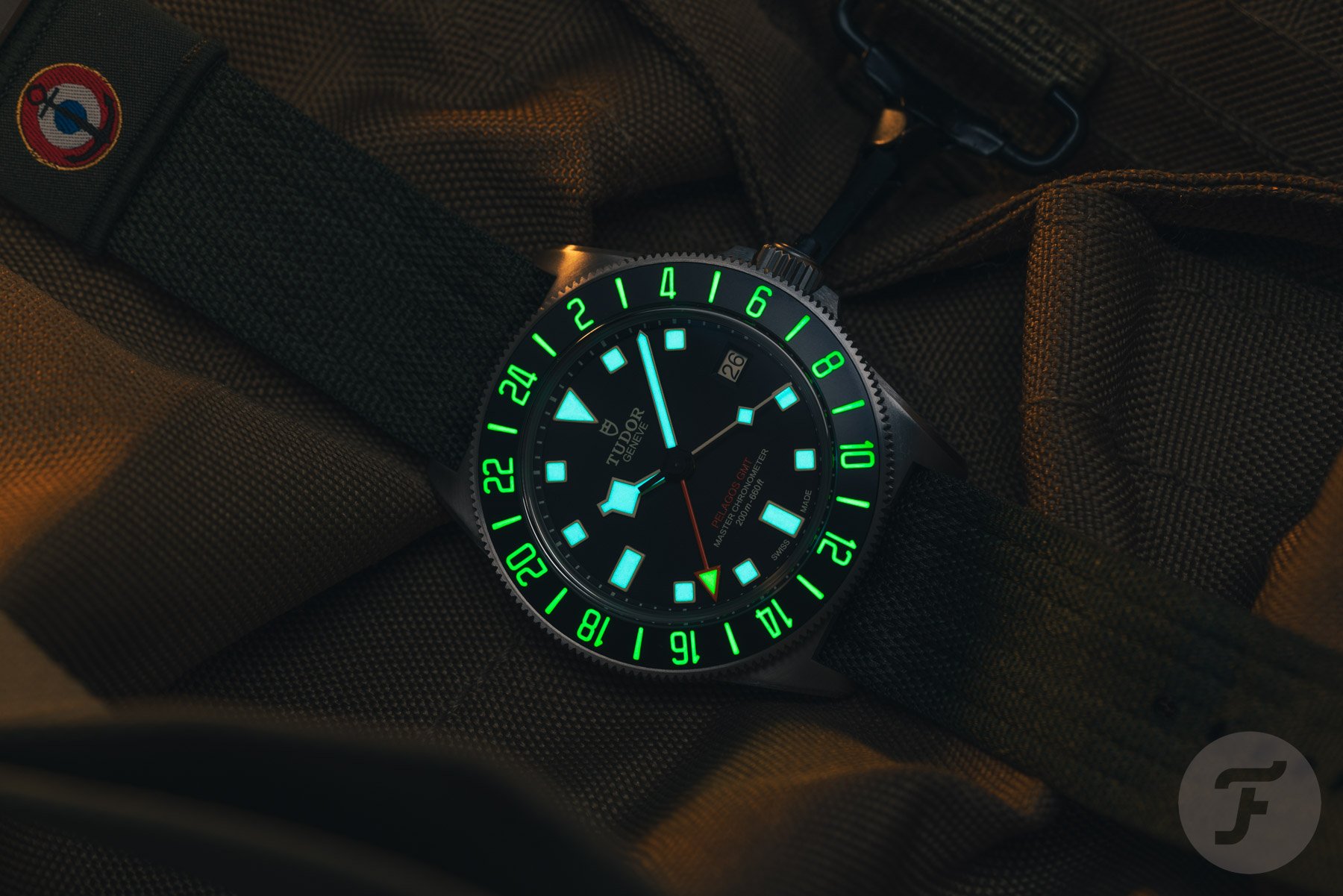
Speaking of the bezel, it features lumed numerals that match the cream color of the 3D Globolight hour markers, logo, and hands. The Tudor is definitely no slouch when it comes to lume performance, but the solid lume blocks on the Sealander Extreme GMT’s dial are something else. Just like on the Pelagos FXD GMT, the numerals on the 24-hour bezel light up green, as does the tip of the GMT hand. The solid luminous hour markers on the dial and the hands light up bright blue, giving it a colorful presence in the dark that immediately reminds you that this watch is ready for any adventures you have in mind.

Essentially, it’s not that hard a choice
When it comes to calibers, the Tudor definitely has the edge, housing a Master Chronometer-rated flyer-style GMT movement. It is more practical and offers greater accuracy than the Sealander’s Sellita SW330-2, which also powers my C65 Dune GMT. I have to say that I would always prefer a flyer GMT since it is far easier to use when traveling. But I’ve also noticed that for people who don’t travel through many time zones, it isn’t a big deal. On top of that, the Sellita has proven to be very reliable and runs far more accurately than its standard rating of ±20 seconds per day.
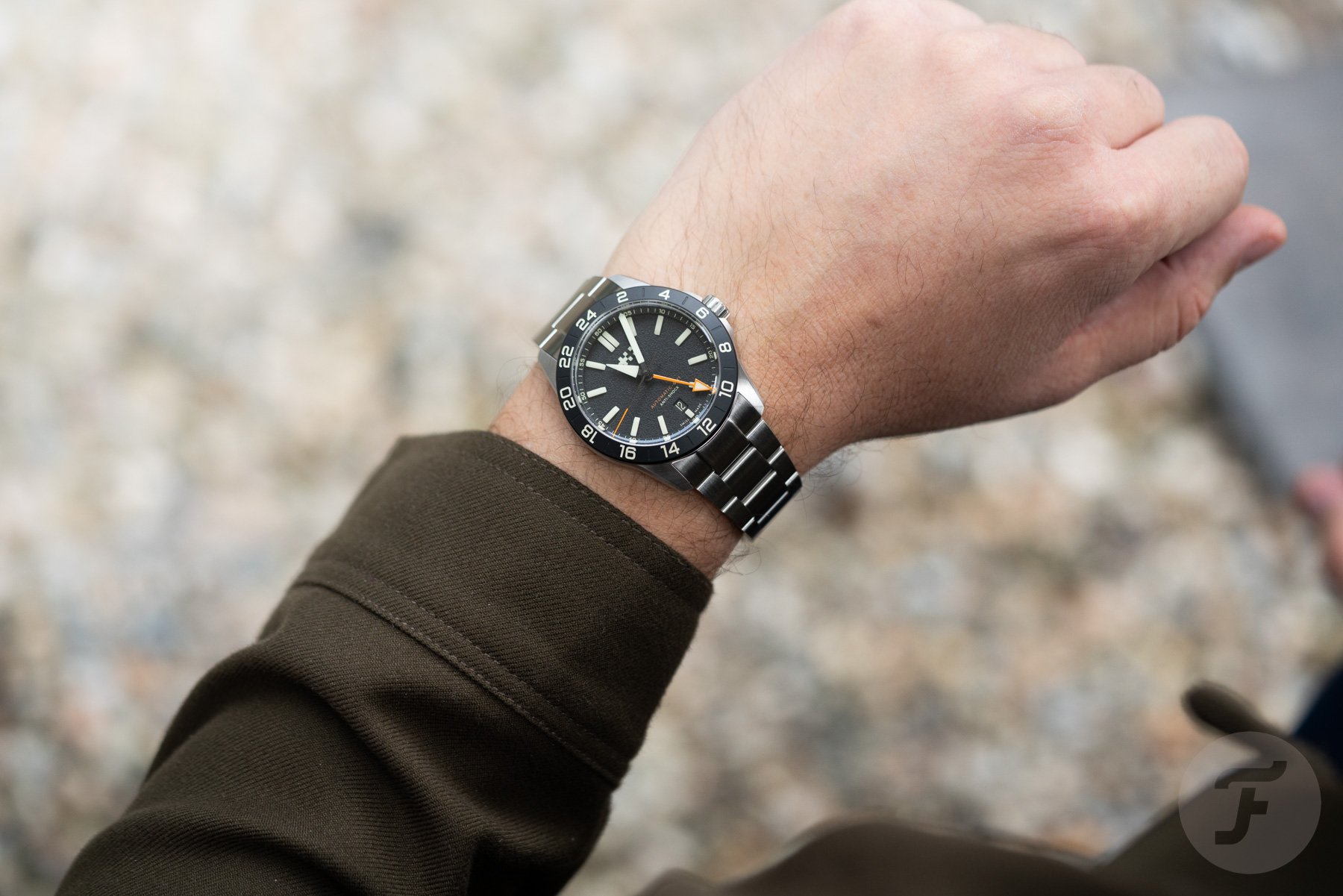
While the Tudor has the edge in the “engine room,” the Christopher Ward takes the win for comfort and versatility. That brings me to an often-deciding factor — the price. If you look at the C63 Sealander Extreme GMT’s price of €1,895 on the bracelet or €1,695 on a strap and then compare it to the Tudor Pelagos FXD GMT’s price of €4,950, it’s hard not to see that Christopher Ward has achieved something rather stunning. For me, it gives the C63 Sealander Extreme GMT the edge in this battle, and that’s why it’s my pick. But I would love to hear your thoughts, Mike.
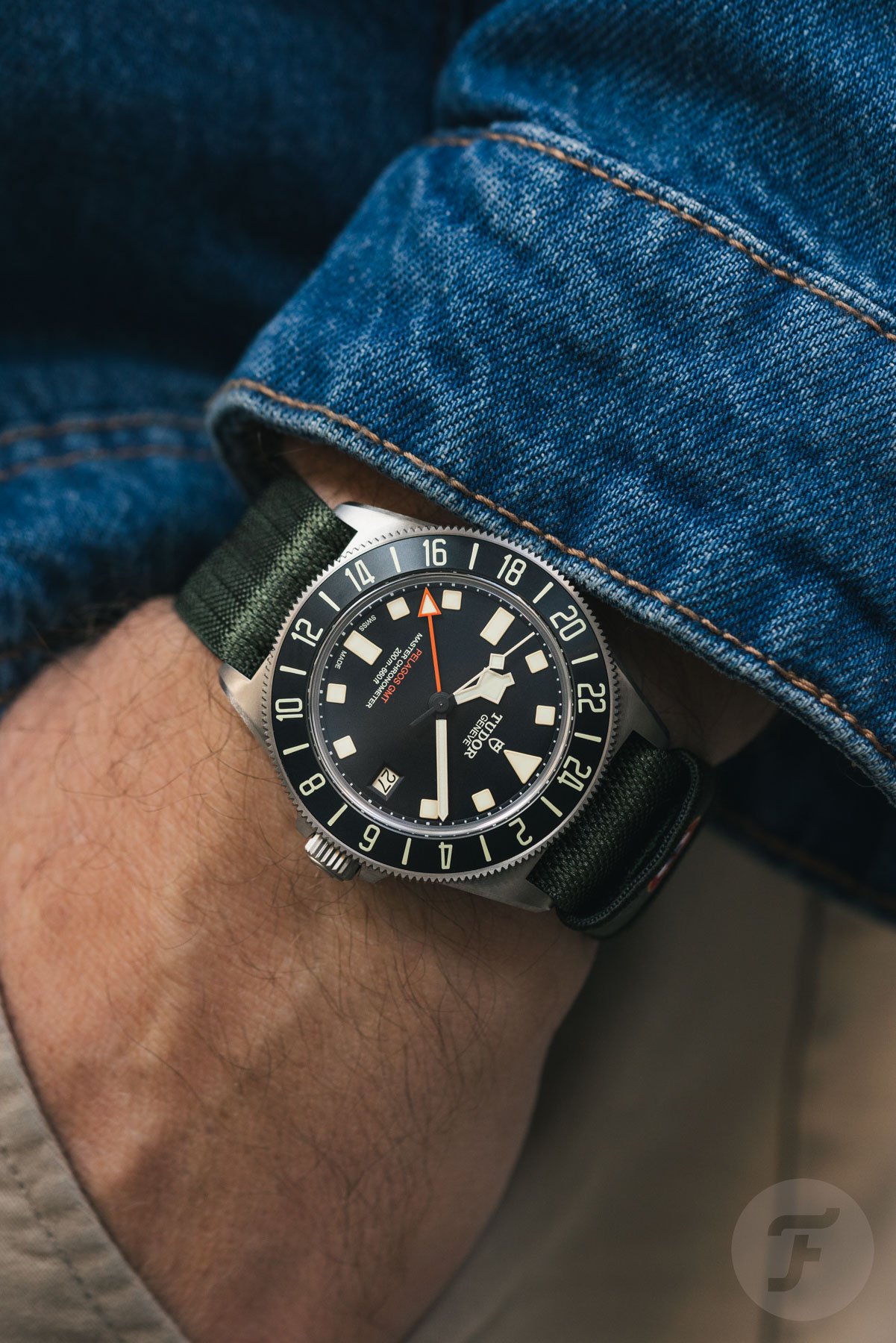
Mike: Tudor Pelagos FXD GMT
It’s another Sunday, and it marks a new jousting session with my buddy Jorg. Today’s matchup between the Christopher Ward C63 Sealander Extreme GMT and the Tudor Pelagos FXD GMT is a curious one. At first glance, this seems like a mismatch for several reasons. Different case materials and technically distinct complications raise questions. In the end, though, the briefs are similar, which equates to sports watches that display a second time zone.
Summarizing the Tudor
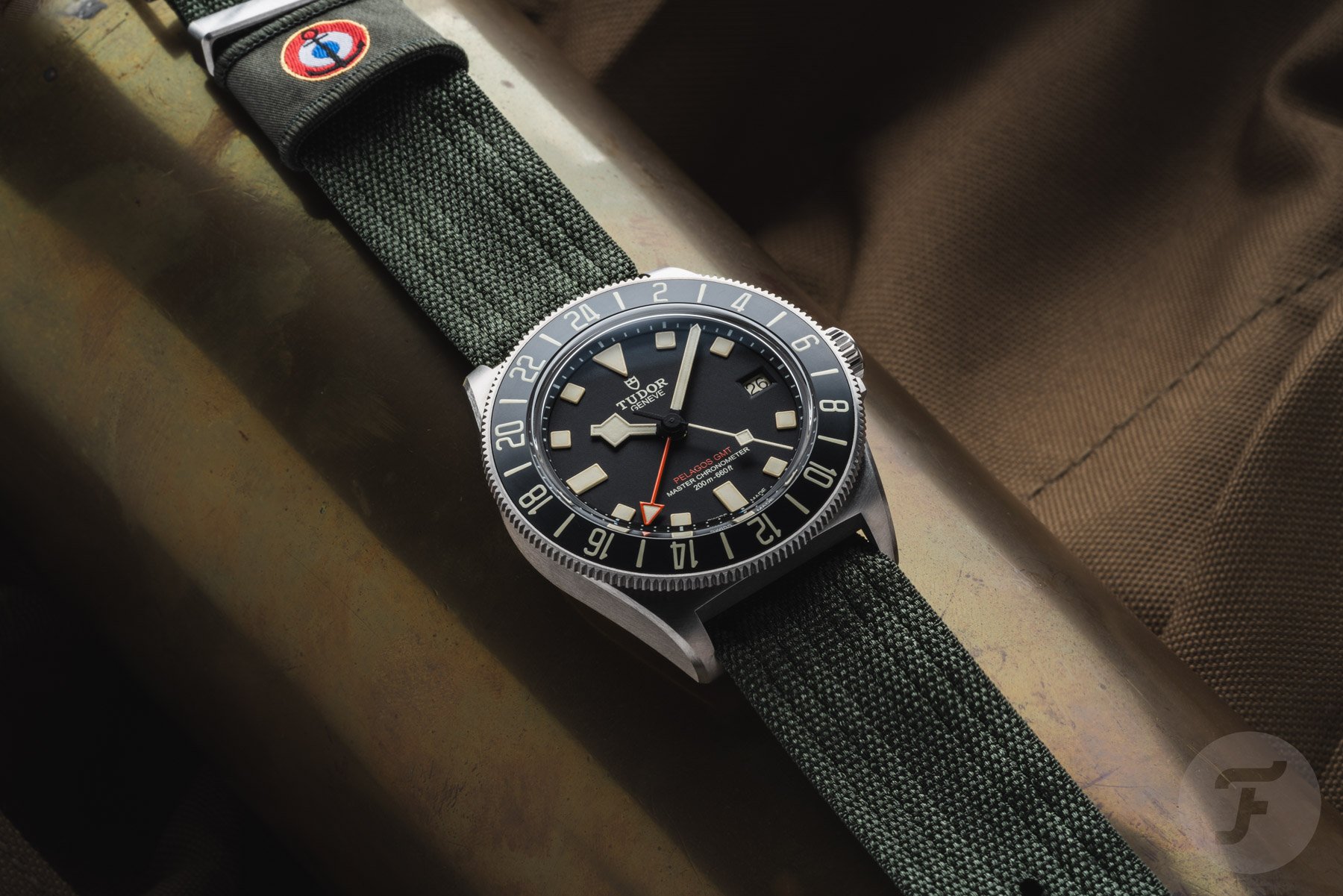
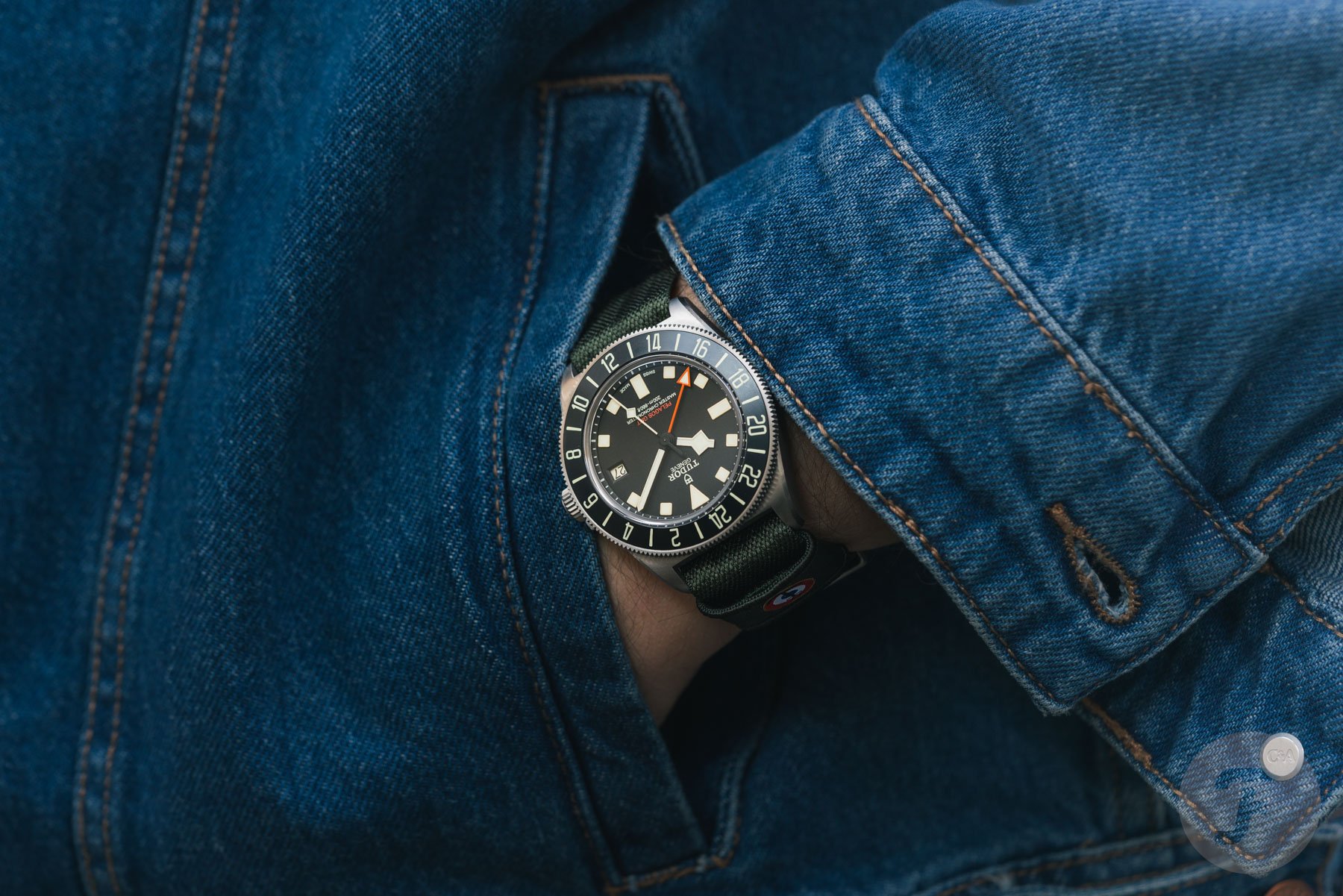
The Zulu Time has a grade 2 titanium case with a 42mm diameter and a 52mm lug-to-lug. Yes, it has a larger footprint than the C63 Sealander GMT, but it’s an odd comparison. See, the Tudor has fixed strap bars, meaning that accessory choices are more limited. Unlike the Christopher Ward, a bracelet isn’t available or practically possible. The watch evokes more of a military vibe with its green fabric strap. In terms of water resistance, the Tudor offers slightly more with a 200m rating.
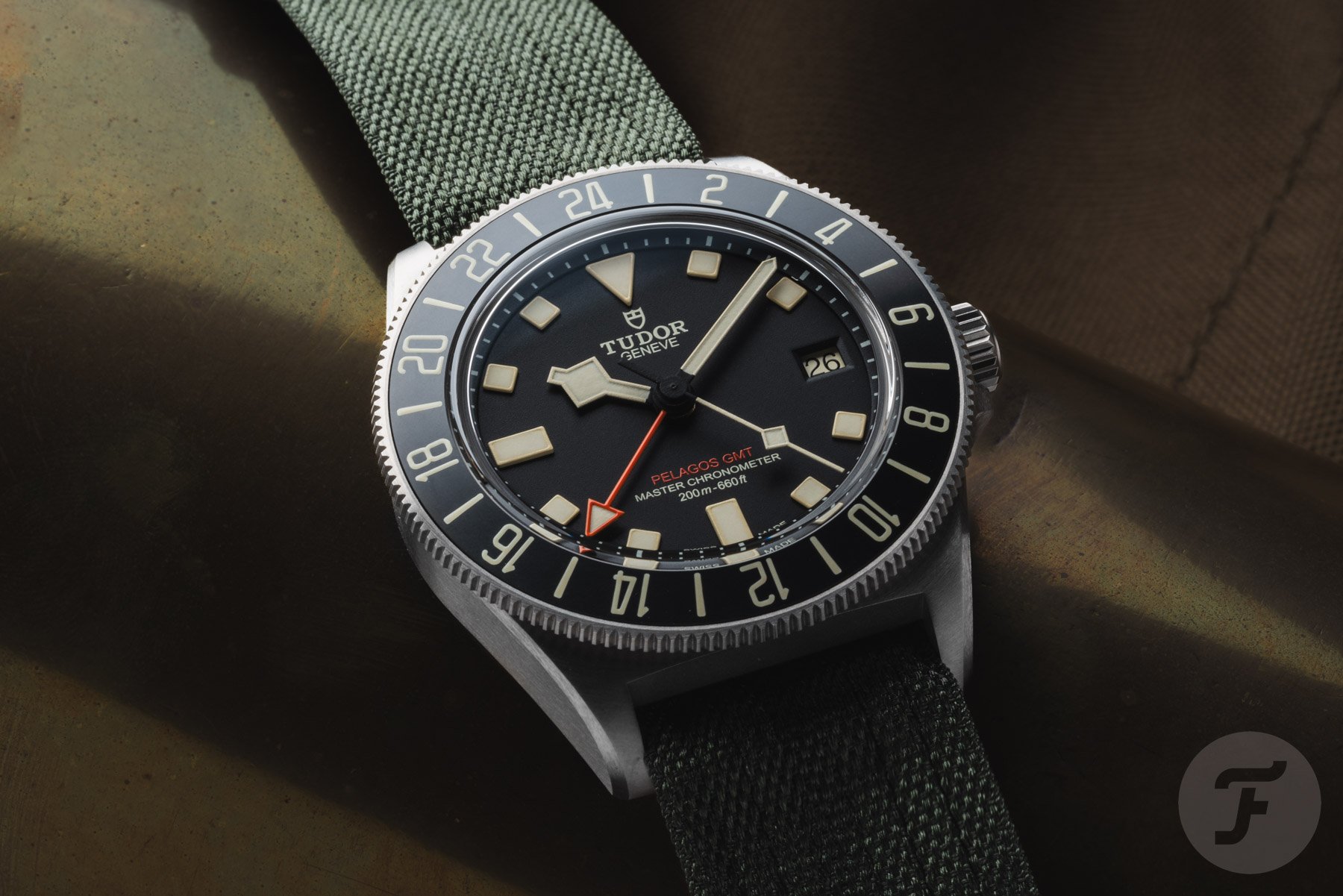
Looks-wise, the Tudor is difficult to deny because its details are instantly recognizable. Blocky, molded luminous plots are similar to the Sealander’s, but the similarities end there. The traditional Snowflake hour hand and “Rolexian” 24-hour hand let us know that we’re wearing something special. Indeed, even the font on the bidirectional 24-hour external bezel feels familiar. It’s a strong look, and whereas the C63 feels a bit more like a microbrand offering, the FXD GMT is on the way to being a modern classic.
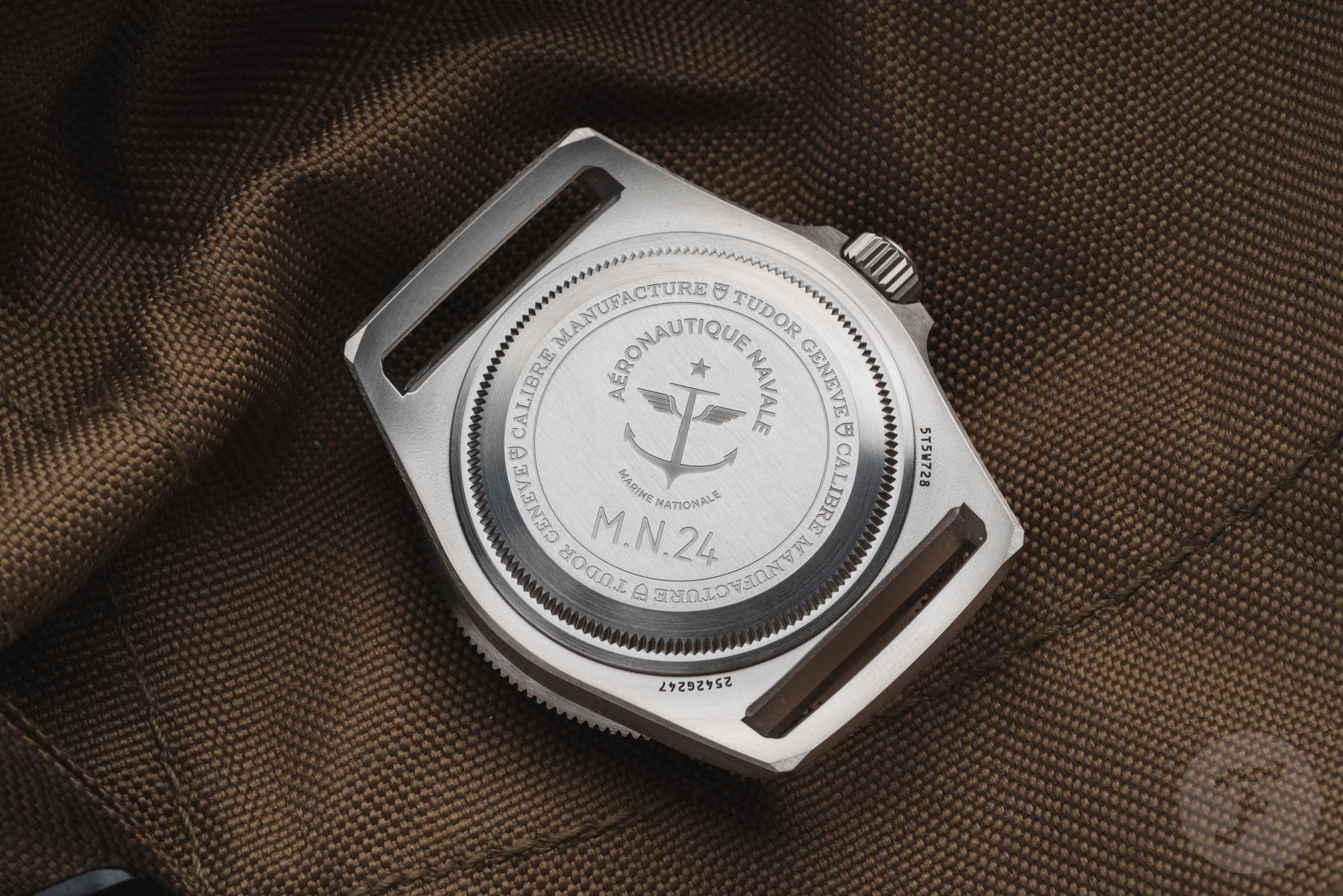
Another level on the inside
I’ll be honest: I don’t care much about whether a GMT movement is a so-called “flyer” or “caller.” Both of these watches have rotating bezels, so I’d probably stick with the old-school GMT-Master 1675 behavior and use it. That said, the Tudor’s MT5652-U movement is on another level. Compared to the Sellita in the Christopher Ward, the Kenissi automatic has a Master Chronometer certification and an additional nine hours of power reserve. Plus, it is a beloved flyer. As Jorg already mentioned, the pricing is also on another level, but there’s definitely an argument that you get what you pay for with this caliber.
The intangibles
Look, conceptually, I can’t fault the C63 Sealander GMT. It offers oodles of value, as every other Christopher Ward watch does. Plus, at just €1,895 with a bracelet, it’s a great deal. The Tudor Pelagos FXD GMT, at €4,950, is really battling in another price category altogether. Practically speaking, the C63 offers everything (and more, considering the bracelet) that the Tudor does, but then again, so does a G-Shock. That’s not to say that a Sealander is more like a €200 digital resin watch than a Tudor, but it’s difficult to compare these watches on an even playing field. The reality is that there’s probably not a ton of cross-shopping.
Time to vote
The final tally will be interesting in this week’s Sunday Morning Showdown. I’m sure we’ll get a fair number of people who won’t understand how the Tudor is more than double the price of the Christopher Ward. We’ll also get those who can rationalize the difference based on the movement and the overall finishing. Of course, design and ergonomics should also come into play. Cast your vote below, and let us know why you chose the way you did in the comments section.
Tudor Pelagos FXD GMT vs. Christopher Ward C63 Sealander Extreme GMT